Health and Safety Policy for Landscaping Bethnal Green
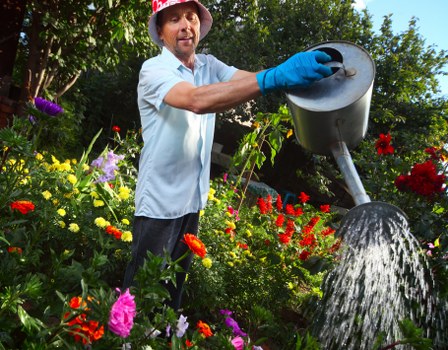 Health and safety is a core value in every landscaping project. This policy sets out how Landscaping Bethnal Green work is planned, managed, and delivered to protect workers, clients, visitors, and the public. Our aim is to maintain safe conditions at all times, reduce risk, and ensure that every task is carried out with care, competence, and clear responsibility.
We recognise that landscaping can involve machinery, manual handling, sharp tools, uneven ground, changing weather, and contact with soil, plants, and waste materials. Because of this, safety procedures are built into daily practice rather than treated as an afterthought. All operatives are expected to follow safe systems of work, report hazards promptly, and stop work if conditions become unsafe.
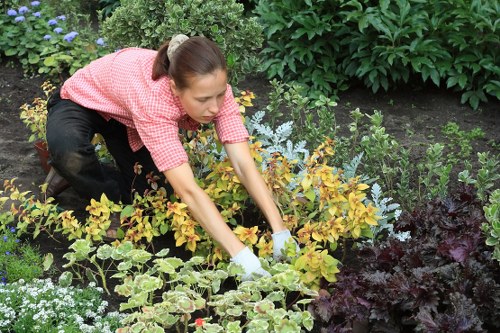 Risk assessment is essential before any job begins. Each site is reviewed to identify hazards such as trip points, overhead obstacles, hidden services, unstable surfaces, or restricted access. Landscaping safety planning includes choosing the right equipment, assigning suitable tasks, and ensuring that controls are in place to reduce the chance of injury or damage.
All team members must be trained and competent for the work they carry out. That includes safe use of tools, correct lifting techniques, awareness of plant machinery, and understanding emergency procedures. Where specialist work is involved, only authorised and properly instructed personnel may undertake it. Supervision will be provided where needed to support safe performance and consistent standards.
Personal protective equipment plays an important role in controlling risk. Depending on the activity, this may include gloves, eye protection, hearing protection, safety footwear, high-visibility clothing, or respiratory protection. Landscaping services are planned so that PPE complements other controls such as safe access routes, guarding, and task separation. PPE must be worn correctly, kept in good condition, and replaced when no longer effective.
 Equipment and tools must be inspected before use and maintained regularly. Defective machinery, blunt blades, damaged cables, and unstable attachments can create serious hazards if ignored. Any item that is unsafe must be removed from service immediately. Good maintenance protects people, improves reliability, and supports efficient work across every landscaping project.
Manual handling is a frequent part of garden and site work, so tasks should be organised to avoid unnecessary strain. Heavy materials should be moved using appropriate aids where possible, and team lifting should be used for awkward or bulky items. Safe posture, clear communication, and sensible load planning are important elements of a practical health and safety policy.
We also take care to control risks linked to weather and environmental conditions. Wet surfaces, ice, heat, strong wind, and low visibility can all affect safety. Work may need to be adjusted, paused, or rescheduled if conditions create unacceptable risk. Drinking water, rest breaks, and suitable clothing help reduce fatigue and support safe decision-making throughout the day.
Planting, pruning, clearance, and turf work may involve exposure to allergens, thorns, dust, or biological material. Workers should wash hands after contact with soil, waste, or chemicals, and cover cuts promptly. Any pesticides, fertilisers, fuels, or cleaning products must be stored, handled, and used according to the relevant instructions. Safe storage prevents spills, contamination, and accidental misuse.
Site housekeeping is a shared responsibility. Tools should not be left in walkways, waste must be collected and removed promptly, and materials should be stacked securely. Good housekeeping reduces slips, trips, and falls, while also improving access for workers and others. A tidy work area supports a safer and more professional approach to landscape maintenance.
Communication is central to preventing incidents. Before work starts, the team should understand the plan, the hazards, and the boundaries of the work area. During the job, any changes in conditions must be communicated quickly. Where members of the public, residents, or other contractors may be nearby, barriers, signs, and clear instructions should be used to protect everyone.
 Emergency arrangements must be understood by all personnel. This includes how to respond to injuries, fire, chemical exposure, utility damage, or severe weather. First aid provision should be suitable for the scale and nature of the work. Accidents, near misses, and unsafe conditions must be recorded and reviewed so lessons can be learned and improvements made.
Landscaping Bethnal Green is committed to continual improvement in health and safety performance. Policies, methods, and training will be reviewed regularly to make sure they remain effective and fit for purpose. Lessons from inspections, incidents, and day-to-day experience will be used to strengthen controls and reinforce good practice across all operations.
Everyone involved in our work has a role in keeping people safe. Managers must provide proper planning, resources, and oversight. Workers must follow instructions, use equipment responsibly, and speak up if something looks wrong. Clients and other site users should cooperate with safety measures and respect any restrictions placed on the work area.
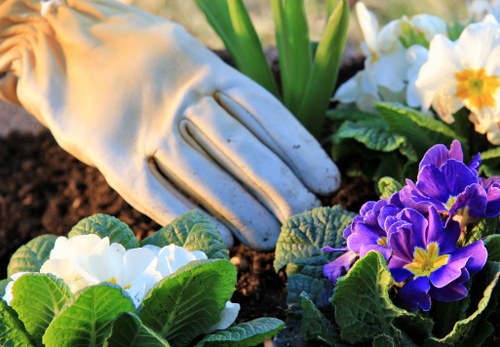 This policy supports a safer way of working across every aspect of garden landscaping, from preparation and planting to maintenance and clearance. By combining training, supervision, careful planning, and ongoing review, we aim to prevent harm and deliver reliable results in a safe, responsible manner.